
Preparation only gets you so far; mutual aid gets you through
A short reflection on the wildfires in BC, and a prayer for Summerland

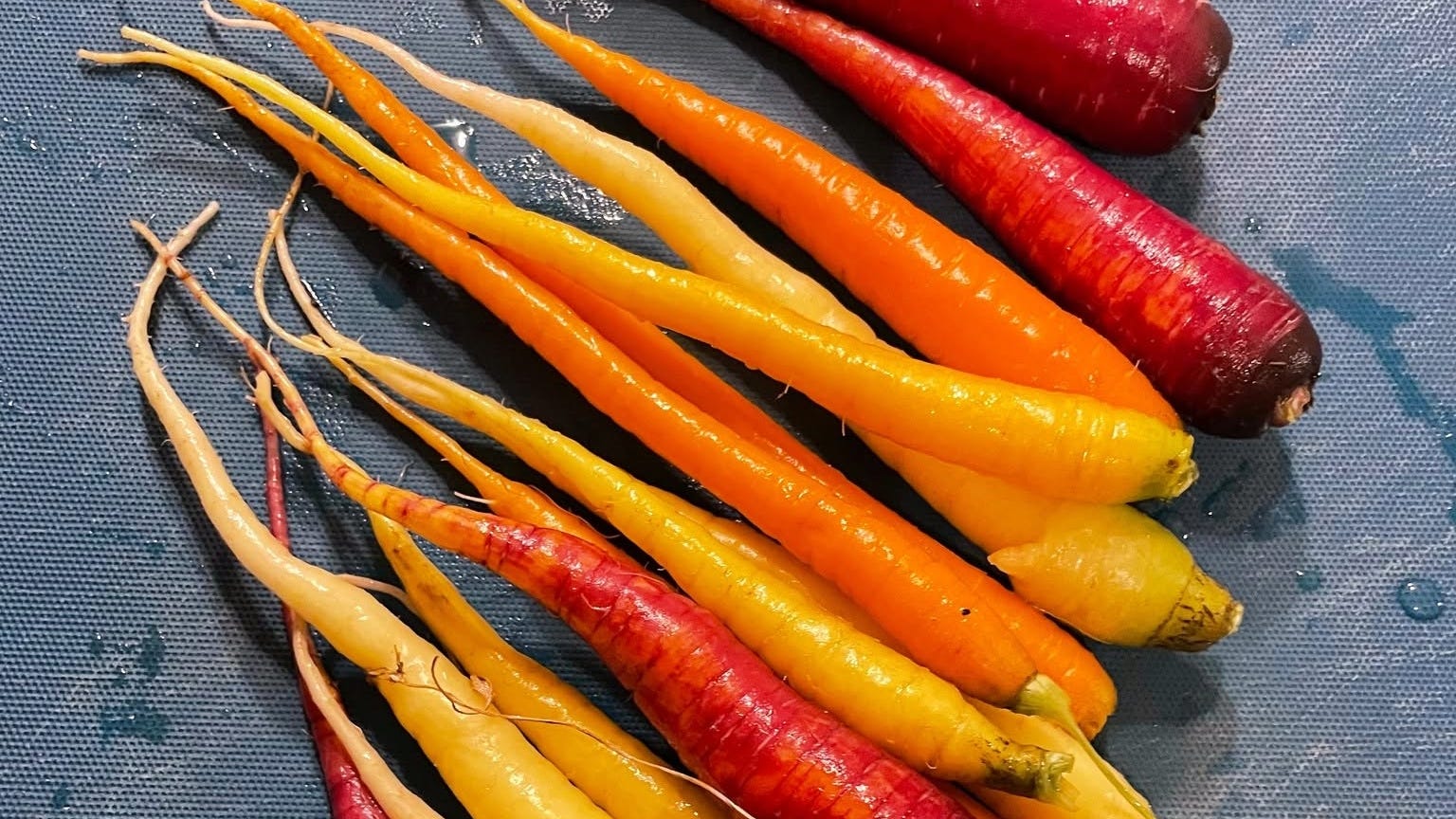
These are the carrots Ruben Anderson pulled from the irrigated earth in Faulder BC on August 2nd. By the night of August 7th, the farm where he grew these had burned to the ground and he was sheltering under a metal bridge over Trout Creek awaiting rescue while his family—partner Carmen Spagnola, elderly parents, disabled child—was evacuated twice overnight due to fires encroaching on the town of Summerland.
In the span of a summer’s evening everything they collectively owned was lost and they joined the global ranks of those displaced by climate change.
It’s not my story to tell, but I encourage you to go to this CTV story or Carmen’s Instagram updates to hear about their situation directly from them. It’s been harrowing and I am heartbroken for my friends and others who have lost so much (and for the beautiful land, and the animals who have had to flee countless fires in the last few weeks).
The Bald Mountain wildfire started on Friday evening and was first clocked at 50 hectares. Within four hours it had grown to 5000. It has continued to rage since then, creating its own weather system as it consumes everything in its path - now at close to 20,000 hectares. Each morning I open up the BC Wildfire Services map to see how much of the fire has grown and in which direction - as I have my own cabin about fifteen kilometres down the road from the current evacuation edge, and feel the need to stay in touch with any fire movement in that direction (so far the Bankier community is in no danger).
Seeing photos of the pyrocumulus clouds (formed by super-hot wildfires), I am reminded of John Vaillant’s book Fire Weather which examines the 2016 Fort Mac Fire and the conditions which allowed it to flourish. He says there has never been a time in history in which it has been better to be a fire and we are currently living in “a fire planet we have made, with an atmosphere more conducive to combustion than at any time in the past 3 million years.”
What happened in Fort Mac, Canada’s costliest disaster to date, confounded fire chiefs and fighters at the time - it’s explosive nature, high temps and quick spread indicated it was on a different order. Vaillant writes that these fires we are seeing look different than anything we remember, because they are different. Super droughts, spindly trees that hold no moisture, and the winds that come with spells of extreme heat, all provide the conditions by which any spark can take hold and turn nightmare in a matter of minutes.
It also means that for all our collapse-awareness and preparations, events can move so quickly as to render them moot.
My friends Ruben and Carmen are collapse-aware folks. Carmen is a trauma therapist who specifically works with people navigating catastrophic change, both personal and global. Before moving to the family farm two years ago to support aging family in a rapidly warming part of the province, Ruben worked as a behaviour-change and sustainability consultant, as well as a food program coordinator for marginalized folks during the pandemic. To say they had prepped for this moment would be an understatement - more than almost anyone else I know, they had a plan in place for this disaster.
But none of that matters when the fire comes faster than the firefighters, when the roads are blocked, the power is out, and the pumps stop working. My friends did everything they could to prepare, and that is likely why they survived at all, even though none of their belongings did.
They are only one of the families in this situation. Over on Okanagan Indian Band land last week, 230 homes were lost. In Faulder, most of the farms are gone and the whole towns of Summerland and Peachland are evacuated. The Pear Lake wildfire outside of Clinton has destroyed over 120 structures and the whole town remains evacuated after weeks. Throughout the Pacific Northwest we have seen hurried evacuations, homes and farms burned out, and livestock set free to fend for themselves. No matter how prepared (or not) any of these folks were, their losses are equally devastating.
And so here I am about to do something I never do, which is encourage those of you who can to participate in a bit of mutual aid.
If these last few years of climate-change-fueled disasters have taught us anything, it’s that this could happen to any of us, and is already happening to millions of people around the world. There is no one truly safe in a warming world, with the possible exception of the very rich, who can afford insanely expensive fire-suppression systems and underground bunkers. The rest of us have to band together when times get tough, helping each other survive and building networks of care in the process.
So if you can, I would ask you to donate to one of the following funds, or another that is closer to your heart.
Carmen and Ruben’s Rebuilding: The GoFundMe is the most direct way to support them, but you can sign up for Carmen’s business - The Numinous Network - or purchase one of her books like The Spirited Kitchen. They do not have insurance and so every dollar goes directly to their recovery capacity.
Okanagan Indian Band Wildfire Recovery: This fund is managed by North Okanagan Community Services and goes toward programs and services support.
Migrant Workers Wildfire Relief: 200 migrant workers are impacted by the Bald Mountain Fire, many of them have lost all their belongings and their work. The Didnidade Migrante Society has set up a fund to provide immediate relief.
ALERT Canada Wildfire Response: This is the group responsible for much of the animal rescue in the active fire zones. They are providing an amazing service for those who are not allowed to return to their properties. If you care about the animals behind the fire’s frontlines - donate to Alert Canada.
The Sikh Temple, Penticton: As is so often the case in a disaster, the Sikh temple is feeding hundreds of people impacted by the fires daily. You can donate to them through their Canada Helps account.
As I have been writing this morning, Carmen and Ruben have had to evacuate once more as they cabin they were sheltering in has now come under threat of a fire only a few kilometres away, blocking the only road in and out. They have gone back to Penticton in search of different emergency housing this morning.
May the rains come and re-green our dry valleys and fields. May each of us find ways to help one another. May all beings be liberated in this lifetime, and find a path free of suffering.
Megan - Thank you so much for this heartbreaking but poignant post. You wrote this beautifully and I am touched by the details and passion in your words. I have donated. 🧡